

Three seconds. That’s roughly how long a Singapore website visitor will wait before deciding to leave and try the next result on Google. And if your site takes longer than that to load on a mobile connection, you’re not just losing a visitor. You’re losing a potential client, potentially to a competitor whose site loads in under two seconds and ranks higher because of it.
Website speed optimisation in Singapore is one of the most neglected and highest-return technical investments a business can make. It directly affects your Google rankings, your conversion rate and how your brand is perceived in the first three seconds of every interaction. This is what it involves and what the most common problems actually are.
Why Speed Matters More Than Most Singapore Businesses Realise
Speed isn’t just a user experience nicety. Google uses Core Web Vitals as ranking signals, which means your site’s load performance directly affects where you appear in search results. A site that scores poorly on Largest Contentful Paint, Interaction to Next Paint or Cumulative Layout Shift will rank lower than a comparable site that scores well, all other things being equal.
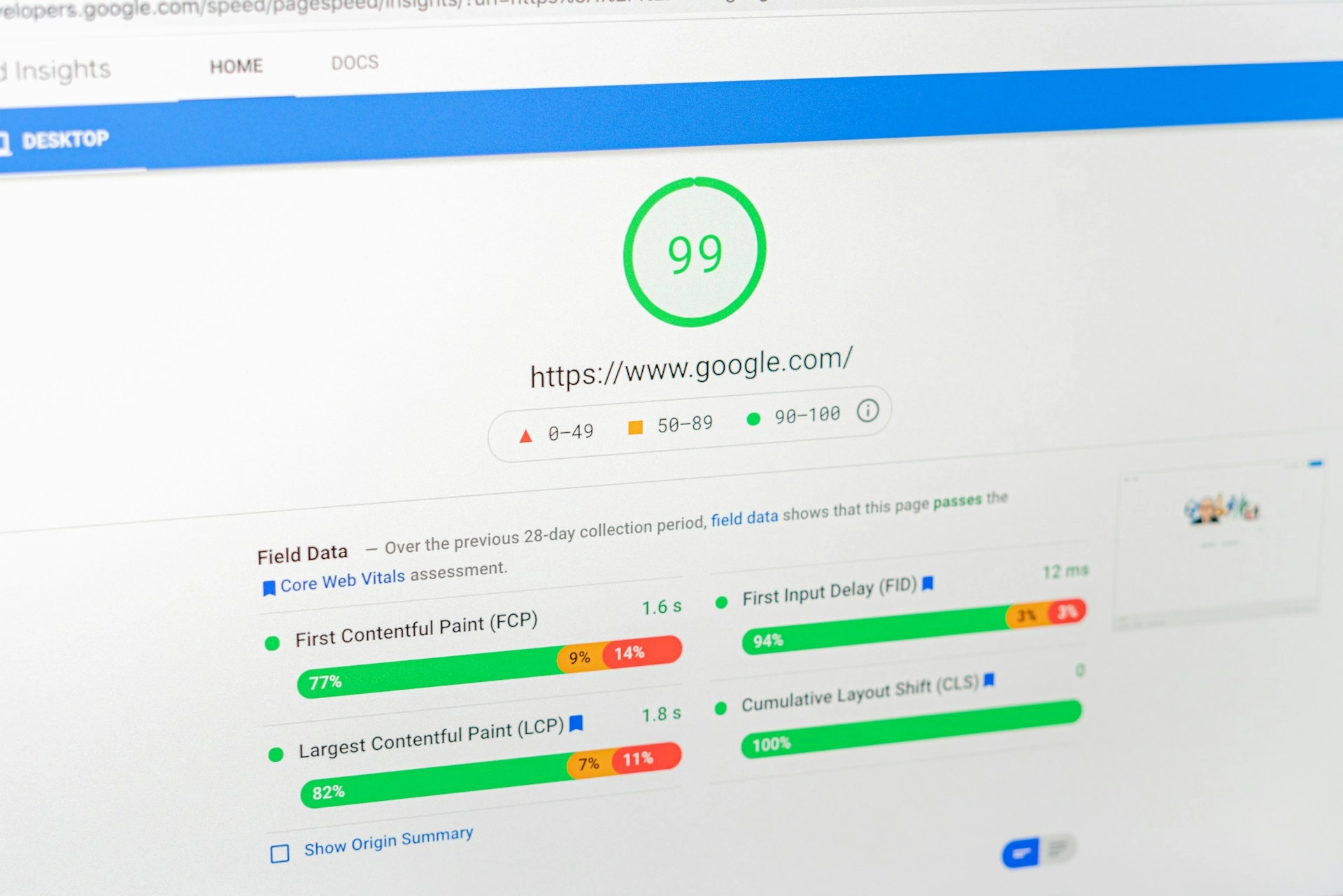
The revenue impact is also measurable. Research from Google’s own data shows that a one-second delay in page load time can reduce mobile conversions by up to 20%. For a Singapore eCommerce store doing modest monthly revenue, that’s a meaningful number. Run your own site through Google PageSpeed Insights right now and see where you actually sit. Most Singapore business websites score below 60 on mobile. A well-optimised site should be above 85.
What Actually Slows Down Website Speed Optimisation in Singapore
Unoptimised Images
This is the single most common cause of slow websites in Singapore. Images uploaded at full resolution, in the wrong format or without lazy loading force browsers to download far more data than necessary before they can show your page. A homepage with ten high-resolution JPEGs and no image optimisation can easily add three to four seconds to the load time on its own. Converting images to WebP format, compressing them properly and loading them lazily (only when they’re about to enter the viewport) typically delivers the biggest single speed improvement on most sites.
Too Many Plugins
WordPress plugins are useful but they accumulate. Each one adds code that has to load on every page request. Twelve functional plugins are fine. Forty plugins installed over three years by three different developers, some of them long since abandoned by their authors, create serious performance drag. A proper speed optimisation review of a WordPress site almost always includes a plugin audit: removing what’s no longer needed, replacing bloated plugins with lighter alternatives and ensuring the remaining ones are all current and actively maintained. Our post on WordPress security in Singapore covers why this matters for security as well as speed.
Hosting That Isn’t Fit for Purpose
Hosting also affects website speed optimisation in Singapore more than most people realise. Your hosting environment sets the ceiling for everything else. You can optimise your images and clean up your plugins, but if your site lives on an underpowered shared server, those gains are limited. Singapore websites should ideally be hosted on servers in the region to minimise latency. PHP versions, caching configuration and server memory allocation all affect how quickly WordPress generates and serves pages. Our post on WordPress hosting in Singapore covers what to look for in a hosting setup.
No Caching Layer
Every time someone visits a WordPress site without caching, the server processes PHP, queries the database and builds the page from scratch. With a caching layer in place, the server serves a pre-built static version of the page instead, which is dramatically faster. Configuring caching correctly is part of any proper website speed optimisation in Singapore and it’s one of the most impactful single changes you can make on a WordPress site.
Render-Blocking Resources
JavaScript and CSS files that load in the wrong order can block the browser from displaying your page until they’ve fully loaded, even if they’re not needed for the initial visible content. Deferring non-critical JavaScript and inlining critical CSS are optimisations that require a technical hand but make a visible difference in how quickly your site appears to load, even before the total page weight changes.
What Website Speed Optimisation in Singapore Actually Involves
A proper speed optimisation engagement isn’t just switching on a caching plugin and calling it done. It involves a full audit of your current performance scores, identification of the highest-impact bottlenecks and a prioritised plan for addressing them. The work typically covers image optimisation and format conversion, plugin audit and cleanup, caching configuration, hosting review and potentially CDN implementation, code minification and deferral and a retest to validate improvements.
For sites on our ongoing maintenance plan, speed is monitored as part of the regular maintenance cycle so performance doesn’t degrade silently over time as new content and plugins are added. Our post on website maintenance in Singapore covers why proactive performance management is part of keeping a site healthy, not a separate exercise.
The Business Case for Speed Optimisation
Better rankings. Higher conversion rates. A better first impression. Lower bounce rates. These aren’t abstract benefits. They translate directly into more leads from the same amount of traffic, which means your existing investment in SEO, paid advertising and content marketing works harder. Website speed optimisation in Singapore typically has one of the best return on investment profiles of any digital work you can do, especially on sites that haven’t been optimised since they were first built.
Talk to Silent Frontier about a speed audit for your Singapore website. We’ll measure where you actually are, identify the highest-impact fixes and tell you what it’ll take to get your scores where they should be.